

Key Takeaways
- OptiLIGHT uses gentle light pulses to help manage dry eye discomfort.
- The procedure takes around 15 minutes and is generally well-tolerated by most patients.
- Many people feel relief in their dry eye symptoms after a few sessions.
- Our eye doctor can evaluate your specific needs to map out a care plan tailored to you.
If you’ve been experiencing dry eye recently, you are probably familiar with that stinging, scratchy sensation in your eyes. You’ve tried the drops and over-the-counter remedies, but nothing seems to work, and you’re beginning to wonder whether there are any other treatments that provide longer-lasting relief. Our team at Cherry Creek Eye Physicians & Surgeons is here to help you learn about OptiLIGHT by Lumenis and whether it might be right for you.
OptiLIGHT is a gentle light-based therapy designed to help manage dry eye disease associated with meibomian gland dysfunction (MGD) by reducing inflammation and improving the function of the eyelid oil glands. By improving the quality of your natural tears, you may notice less reliance on teardrops or home remedies.
Signs You Need Dry Eye Relief
Common Symptoms to Watch For
If you have dry eye, you’re likely familiar with a few common symptoms. Everyone experiences the sensations differently, but when your eyes lack proper moisture, you may notice:
- A feeling of grit, like sand is trapped under your eyelid
- Scratchy eyes that make you want to rub them
- A burning or stinging sensation that disrupts your routine
- Excessively watery eyes, which can be your body’s response to the irritation
When to See an Eye Doctor in Denver
Many people with dry eye can find relief from at-home remedies or over-the-counter drops. But more persistent cases may benefit from professional treatment. If you’ve tried home remedies like warm compresses, eye drops, and taking screen breaks, and you’re still experiencing symptoms, it may be time to schedule an eye exam.
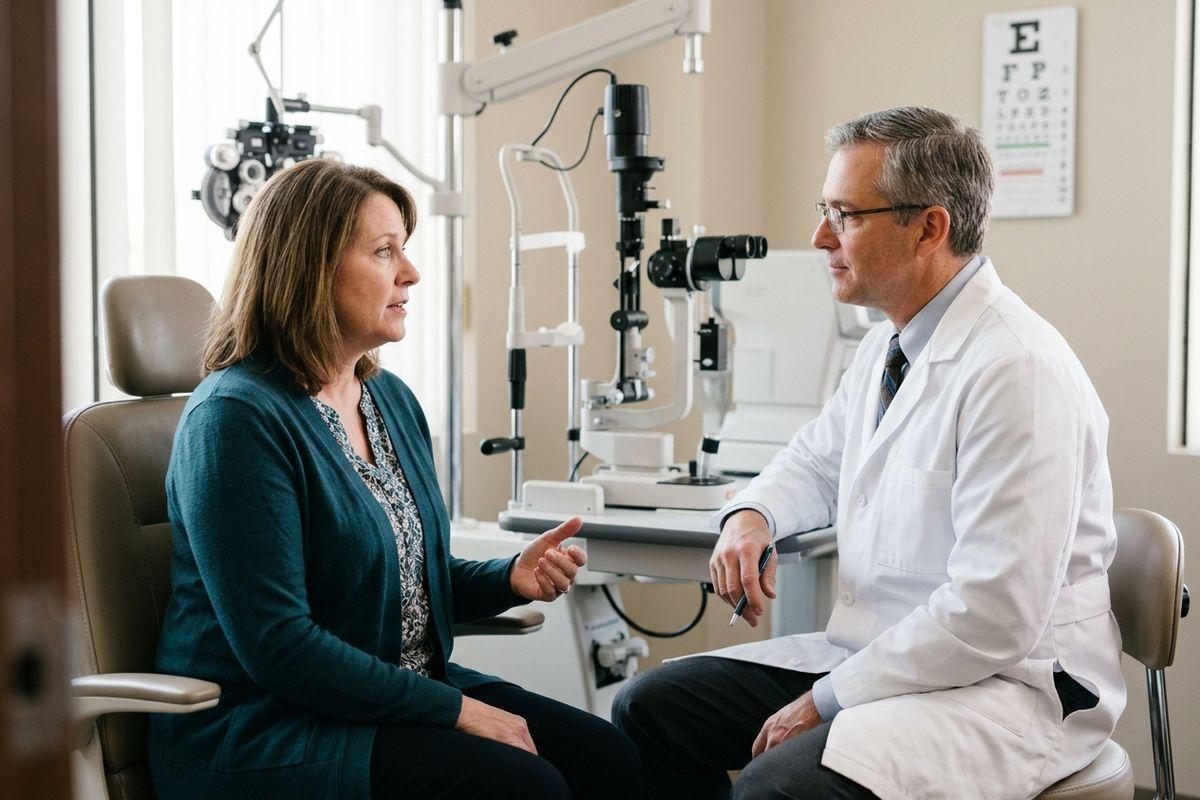
Our eye doctor in Denver can assess your eyes and walk you through what may be happening. Our team can evaluate your specific symptoms, from your tear quality to your overall eye health, and help determine if in-office therapy might be right for you.
How OptiLIGHT Therapy Works for Dry Eye
The Technology Behind the Procedure
The OptiLIGHT device uses precise light pulses to reduce inflammation around your eyes, which is often associated with dry eye disease. It gently warms the surrounding tissues and helps support healthier meibomian gland function, which improves the flow of oils into the tear film. Better oil flow can help stabilize the tear film and improve comfort for some patients.
Results from the Treatment
Many patients notice an improvement in their day-to-day comfort after undergoing intense pulsed light therapy (IPL). Some patients notice early improvements after their initial treatments, while others experience more gradual relief over the course of their treatment series.
After treatment, results can last for months depending on the person. That said, many cases of dry eye are ongoing, so you may eventually need to come back in for a maintenance session.
What to Expect During Your Session
Before the Procedure Begins
Our entire eye care team can walk you through the process and what to expect. We want you to feel informed every step of the way, so you’ll never be rushed through treatment.
Before the treatment begins, you’ll sit in a chair and have a protective shield placed over your eyes. Our eye doctor can also apply a cool gel to your lower eyelids and cheeks to help protect your skin from the device’s light pulses.
During the Session
The sessions are designed to be quick. Most of the time, they take around 15 minutes from start to finish. During that time, the device will rest gently against the skin around your eyes. You may feel brief flashes of warm light as the eye doctor moves the tool across the target area, but they are very well-tolerated. Many of our patients describe them as a quick burst of warmth on their cheeks.
Recovery and Side Effects of Therapy
Immediate Aftercare Steps
Because OptiLIGHT is noninvasive, most patients can return to their normal activities shortly after treatment, though your eye doctor will provide instructions based on your individual situation.
Possible Temporary Side Effects
Some people experience mild redness or slight swelling in the treated area, but both usually fade within a few hours. Our eye doctor will explain the risks and how to handle any side effects, so you know what to expect.
Cost and Insurance Details for Treatment
Payment Options for Light Therapy
The cost of light therapy depends on your individual treatment plan and eye health needs. Most patients begin with a series of four treatments over the course of two months to achieve the best results. After the initial treatment series, patients typically require one maintenance treatment per year to help maintain their results.
During your consultation, our team will review your personalized treatment plan, explain all associated costs, and answer any questions so you can make an informed decision about your care.
Insurance Coverage Information
Every health plan is different, but insurance providers sometimes view OptiLIGHT as an elective option. Even though OptiLight IPL is an FDA-approved medical treatment, it is not covered by the vast majority of medical insurance plans. It’s always a good idea to check your specific benefits to see what you’re covered for. Our team can help you navigate available payment options to make the process easier for your family.
Schedule Your OptiLIGHT Consultation
Finding a reliable way to manage persistent dry eye can help you enjoy your daily routine again. At Cherry Creek Eye Physicians & Surgeons, we offer comprehensive evaluations to determine the factors contributing to your dry eye so we can help you find relief. Schedule your consultation today.