
Key Takeaways
- Cloudy vision makes daily tasks difficult to complete over time.
- You might notice halos around streetlights during night drives.
- Changes usually begin after age 40 but progress slowly.
- An eye doctor in Denver can monitor your lens health.
- Cataract surgery can help improve vision when glasses no longer work.
Over the years, your vision can change slowly. Maybe you haven’t noticed anything was different until one day you grab a menu at your favorite restaurant and realize you need much brighter table lighting to see. You try putting on your glasses, but they don’t do much. At Cherry Creek Eye Physicians & Surgeons, we want you to understand the symptoms of cataracts and know when to book an appointment with our team.
Cataract symptoms can include cloudy vision, dull colors, and halos around lights at night. Getting regular comprehensive eye exams can help detect these changes early, receive an accurate diagnosis, and map out a clear path forward for your vision.
Common Cataract Signs and Early Symptoms
Early Vision Changes to Notice
You have a clear, flexible lens inside your eye that focuses light to create crisp images. Over time, proteins inside the lens can clump together, creating cloudy areas known as cataracts. This cataract makes the usually clear lens foggy, blocking clear, crisp details.
It’s a good idea to schedule an appointment if you notice any of these symptoms:
- Driving at night has become more difficult.
- You need brighter light to read books comfortably.
- Your glasses prescription requires frequent updates to maintain focus.
These symptoms are associated with cataracts, but getting the right diagnosis begins with a comprehensive eye exam.
Later Signs of Cataracts
As cataracts progress, cloudy areas in the lens can become more noticeable, causing colors that once looked vibrant to appear washed out or yellowed. Nighttime activities can also become distinctly uncomfortable due to scattered light.
Look out for these signs:
- Halos or starbursts appear around nighttime streetlights.
- Telling dark blue from black clothing becomes difficult or confusing.
- You experience double vision in a single eye.
These symptoms are worth discussing with an eye doctor.
Age and the Timeline for Cataracts
When Changes Typically Begin
Your eye’s lens remains highly flexible throughout your youth, but as you age, this structure slowly begins to change. Early lens changes associated with cataracts can begin around age 40, but it’s rare to notice a difference during this time. Many people maintain functional vision well into their 60s.
Why Early Detection Matters
Tracking these slow changes helps keep you informed about your sight. Small shifts in your eye health often go undetected without professional equipment, making regular eye exams a great way to detect these early stages before they affect your daily life.
Risk Factors and Associated Conditions
Health and Lifestyle Factors
Your overall health and your eye health are closely connected. There are some common factors that can increase your risk of developing cataracts, including:
- Diabetes increases your risk of vision changes, making diabetic eye exams important.
- Prolonged exposure to sunlight without proper UV protection damages your eyes over time.
- Smoking is associated with a higher risk of cataracts and other eye health concerns.
Past Eye History
Your personal medical background shapes your future vision needs. Some people develop cloudy lenses earlier than expected due to specific events, such as:
- Previous eye injuries or past surgeries can speed up lens changes.
- A family history of similar vision conditions raises your risk.
- Long-term use of certain steroid medications can affect your lens.
How Vision Issues Impact Daily Routine
Challenges with Nighttime Activities
With cataracts, the sun sets, and the world can look different. Headlights from oncoming traffic can suddenly feel blinding because cataracts scatter light rather than focus it clearly.
Our eye care team doesn’t want you to miss out on anything life has to offer. If you’re missing social events because you’re avoiding driving in the dark, we want you to know there are treatment options available to help.
Difficulties with Close-Up Tasks
Many indoor activities require sharp focus and good contrast. Some people with cataracts notice that they have trouble reading their favorite book or the tiny text on a prescription bottle. Maybe a hobby you used to enjoy, like crafts, takes more effort.
You don’t have to put up with these changes. One of our eye doctors can meet with you and discuss a treatment option that can help you get back to your hobbies.
Treatment from an Eye Doctor
Professional Vision Evaluation
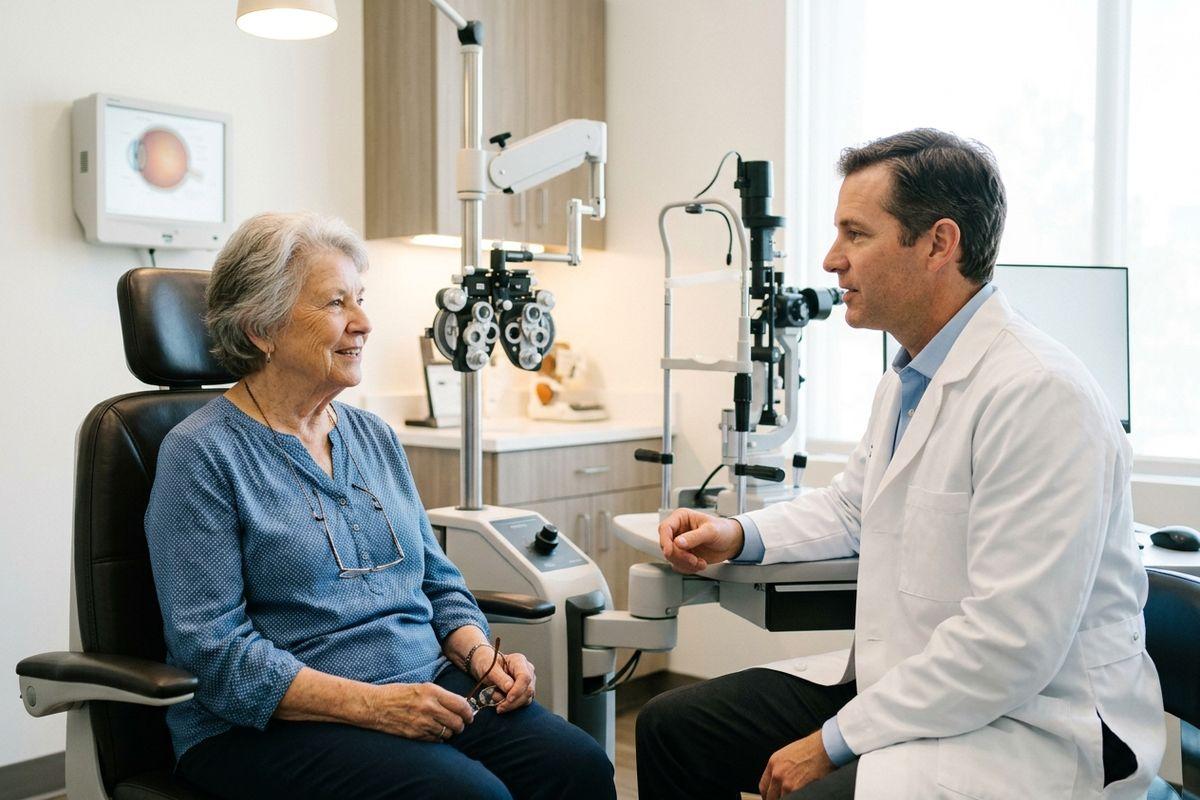
A thorough evaluation can help provide answers about your eye health. Our team uses modern diagnostic tools to evaluate the clarity and overall health of your lens so that we can recommend tailored treatment options for you.
The goal of the evaluation is for you to feel confident about what steps to take next. Your eye doctor can answer any questions you have, talk to you about your choices, and make sure you feel comfortable.
Options for Clearer Vision
You have choices when cataracts begin to affect your daily tasks. Small adjustments to your environment make a big difference early on, but eventually, an updated prescription or procedure might be the right choice.
The path forward depends on your unique needs. Some of the options the eye doctor may recommend could be:
- Anti-glare coatings on new glasses to cut down reflections during evening drives.
- Adding task lamps to your workspace to provide targeted brightness for reading or hobbies.
- In some cases, surgical removal and replacement of the cloudy lens allows for clearer vision.
Book Your Next Visit
You deserve comfortable, clear vision that supports your lifestyle. At Cherry Creek Eye Physicians & Surgeons, we provide knowledgeable care to families seeking modern eye solutions. Whether you’re considering surgery or just want to explore what options are out there, we want you to know that you don’t have to manage this alone. Schedule a consultation today to explore your options for clearer vision.